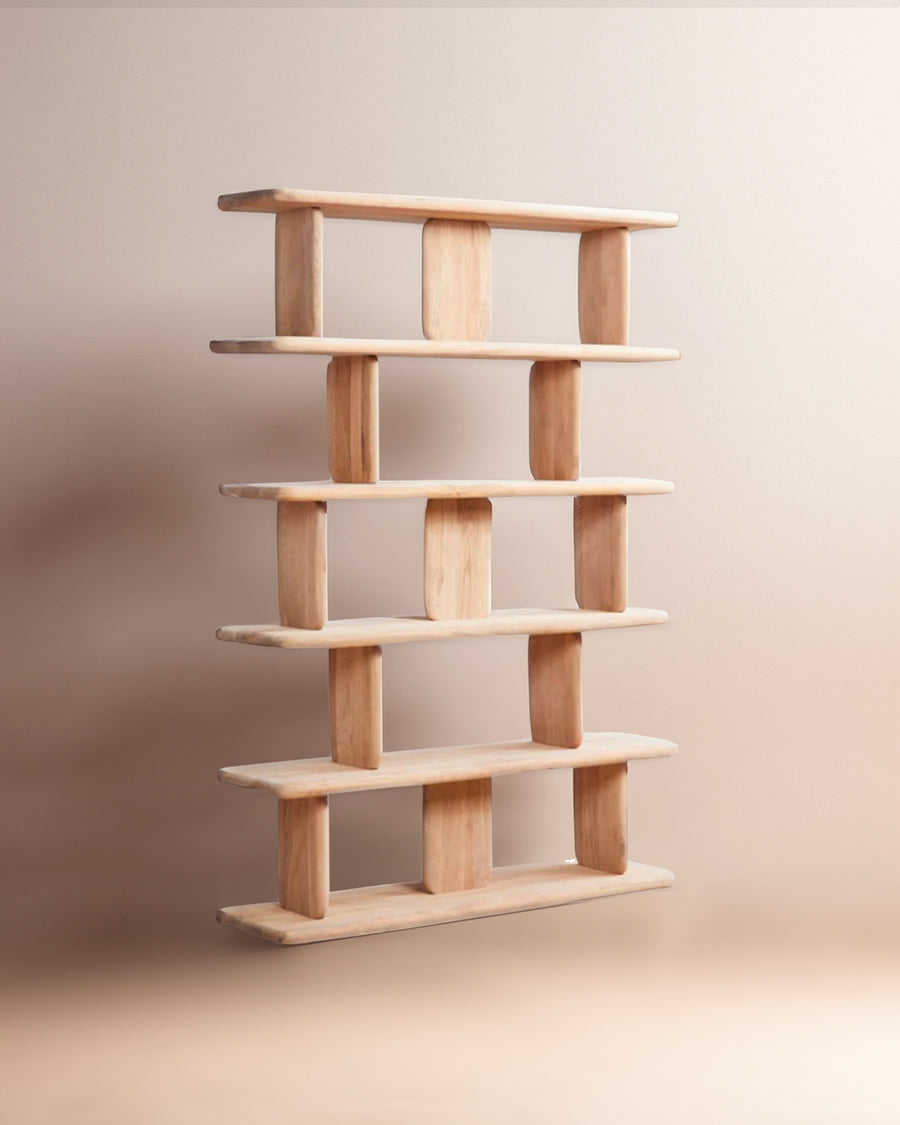
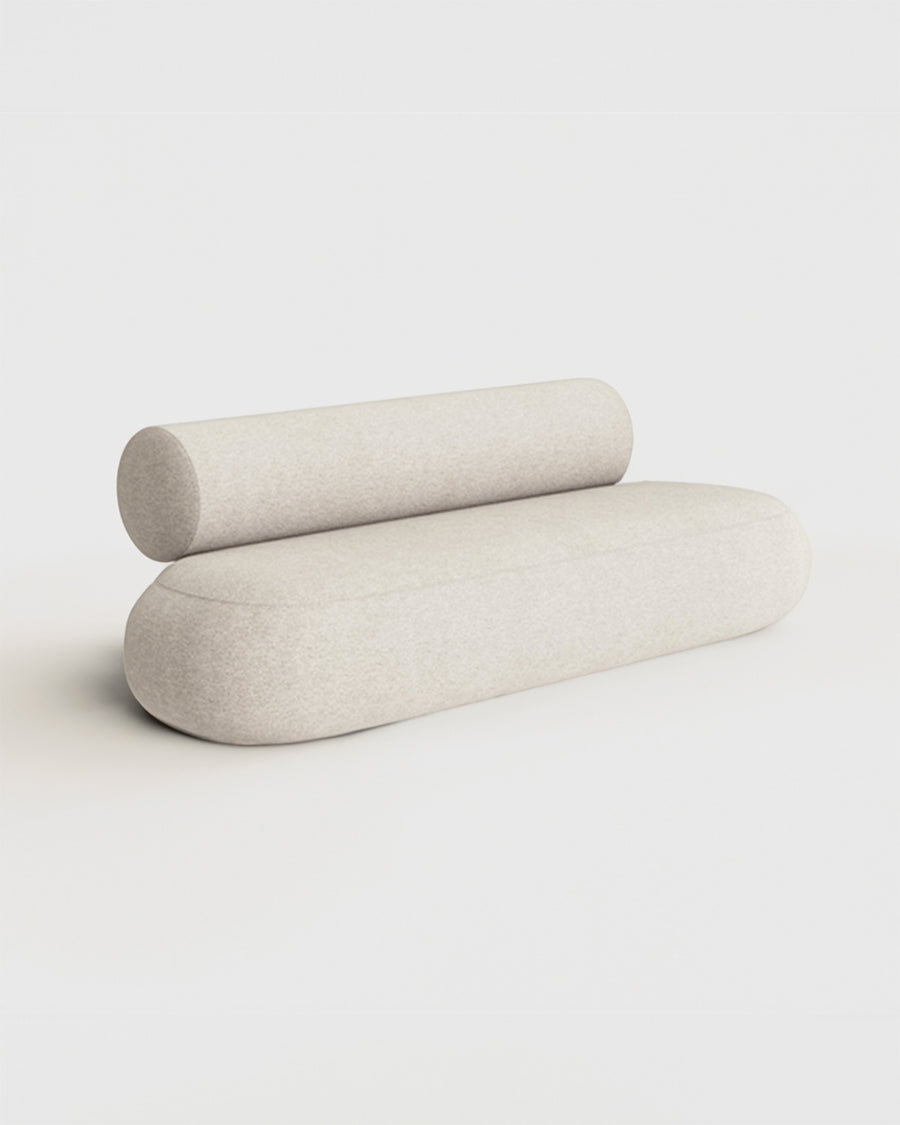


What to Consider Before Booking Furniture Rentals for Your Event

Planning an event involves many moving parts, from choosing the right venue to creating an atmosphere that feels comfortable and welcoming. Furniture plays an important role in shaping how guests experience the space. The right tables, chairs, lounge pieces, and decorative elements can improve comfort while supporting the overall purpose of the gathering.
At Novo Studio Events, we understand that selecting event furniture rentals requires more than simply choosing attractive pieces. Factors such as guest count, venue size, event style, and practical needs all influence the final setup. Taking time to plan these details helps create a functional environment where guests can move easily and enjoy the occasion.
Whether we are organizing a corporate gathering, wedding celebration, private party, or community event, having a clear furniture plan makes the entire process smoother. Understanding what to consider before making rental decisions can help us avoid common challenges and create a well-organized event space.
Understand Your Event Requirements Before Choosing Furniture Rentals
Before selecting furniture, we need to understand the purpose, size, and style of the event. Every gathering has different requirements, and furniture choices should support the experience we want to create.
A formal dinner may require structured table arrangements and comfortable dining chairs, while a networking event may benefit from open spaces with lounge seating. Identifying these needs early allows us to choose furniture that matches both the event goals and guest expectations.
Define the Type and Purpose of Your Event
The type of event directly affects the furniture selection process. A clear understanding of the event format helps determine what pieces are necessary and how they should be arranged.
For example, a wedding reception may focus on elegant dining setups, while a business conference may require seating that supports presentations and discussions. Social gatherings may need flexible arrangements that encourage interaction.
When planning, consider:
-
The overall theme and style of the event
-
The expected number of guests
-
The activities taking place during the event
-
Whether guests will sit, stand, dine, or move between areas
-
The amount of space available at the venue
Understanding these details creates a strong foundation for choosing suitable furniture options.
Consider Guest Comfort and Experience
Guest comfort should always be a priority when selecting rental furniture. People are more likely to enjoy an event when seating and layouts allow them to relax and move comfortably.
Comfort considerations include:
-
Choosing chairs that provide proper support for longer events
-
Providing enough seating for expected guests
-
Creating clear pathways between furniture areas
-
Including different seating options when appropriate
A thoughtful approach to furniture selection improves the overall guest experience and helps the event feel organized rather than crowded.
Create a Furniture Rental Checklist Before Booking
A detailed checklist can make the rental process easier by ensuring important details are not overlooked. A furniture rental checklist helps us organize decisions related to quantity, style, delivery, and setup requirements.
Creating a checklist before contacting a rental provider allows us to compare options more effectively and communicate our needs clearly.
Determine the Furniture Pieces You Need
Different events require different types of furniture. Instead of selecting items based only on appearance, we should consider how each piece contributes to the event experience.
Common furniture categories include:
|
Furniture Type |
Common Uses |
Planning Considerations |
|---|---|---|
|
Dining tables |
Weddings, dinners, formal events |
Consider guest count and table spacing |
|
Chairs |
Ceremonies, meetings, receptions |
Match comfort needs and event style |
|
Lounge furniture |
Networking areas, parties, casual gatherings |
Create welcoming conversation spaces |
|
Cocktail tables |
Social events and receptions |
Support standing interactions |
|
Bars and counters |
Beverage stations and service areas |
Plan placement for easy access |
Reviewing furniture needs early helps prevent last-minute changes and ensures that every area of the venue has a purpose.
Check Measurements and Venue Restrictions
Venue limitations can affect furniture choices. Before finalizing rentals, we should review the available space and confirm any restrictions.
Important factors include:
-
Room dimensions
-
Doorway and entrance sizes
-
Outdoor space conditions
-
Venue rules regarding setup and removal
-
Accessibility requirements
Accurate measurements support better event layout planning and reduce the risk of selecting furniture that does not fit properly within the space.
Focus on Event Layout Planning for Better Space Management
Effective event layout planning helps create a comfortable flow throughout the venue. Furniture placement influences how guests interact, where activities happen, and how easily people can move from one area to another.
A well-planned layout balances appearance with functionality. Instead of filling every available space with furniture, we should create areas that allow movement and natural interaction.
Plan Different Areas Within the Venue
Breaking the venue into specific zones can improve organization. Each area should serve a clear purpose and connect smoothly with the rest of the event space.
Common event zones may include:
-
Reception or welcome area
-
Dining section
-
Entertainment or presentation area
-
Lounge or networking spaces
-
Food and beverage stations
Creating separate areas allows guests to understand the flow of the event without confusion. It also helps event teams manage guest movement more efficiently.
Consider Guest Movement and Accessibility
Furniture arrangements should allow guests to move comfortably throughout the venue. Narrow walkways or overcrowded areas can negatively affect the overall experience.
When planning the layout, consider:
-
Leaving enough space between tables and chairs
-
Keeping entrances and exits accessible
-
Providing clear routes for staff and guests
-
Making important areas easy to locate
Thoughtful placement supports better comfort and creates a more enjoyable environment for everyone attending the event.
Select Furniture Styles That Match Your Event Theme
Furniture is not only functional; it also contributes to the overall appearance of the event. The style, materials, and colours of rental pieces should complement the event theme and create a consistent look.
Choosing furniture that matches the atmosphere helps bring the entire design together.
Match Furniture With the Event Aesthetic
The right furniture can support different event styles, from modern and minimal designs to classic and elegant arrangements.
Consider elements such as:
-
Furniture shape and design
-
Material and texture
-
Colour coordination
-
Decorative elements
-
Relationship with venue surroundings
For example, sleek furniture may suit a corporate event, while comfortable lounge seating may work better for a relaxed social gathering.
Balance Style With Practical Needs
While appearance matters, furniture should also meet practical requirements. A visually appealing setup may not work well if guests are uncomfortable or if the arrangement creates movement issues.
A balanced approach means selecting furniture that provides:
-
Comfort
-
Functionality
-
Durability
-
Easy maintenance
-
Compatibility with the event schedule
A successful event design combines visual appeal with practical planning.
Consider Seating Arrangements Carefully for Guest Comfort
Seating arrangements can influence how guests interact and experience an event. Whether we are planning a formal dinner, business gathering, or social celebration, the way chairs and tables are positioned can affect communication, comfort, and overall event flow.
Thoughtful seating decisions help ensure that guests have enough space while allowing the event activities to happen smoothly. The right setup also supports better organization for hosts, vendors, and event staff.
Choose Seating Based on Event Activities
The ideal seating arrangement depends on what guests will do throughout the event. Different activities require different furniture placements to create a comfortable environment.
For example, a presentation-focused event may need rows of chairs facing a stage, while a networking event may require flexible seating areas where guests can easily interact.
When planning seating, consider:
-
Whether guests will remain seated for long periods
-
Whether conversations and networking are important
-
If dining tables or individual seating options are required
-
Whether guests need clear views of speakers or entertainment areas
-
If additional space is needed for activities or performances
Understanding guest behaviour allows us to create seating arrangements that support the purpose of the event.
Plan Seating Capacity Without Overcrowding
One common mistake in event planning is adding too much furniture without considering available space. While providing enough seating is important, overcrowding can make the venue uncomfortable.
A balanced seating plan should include:
-
Enough chairs for expected attendees
-
Comfortable spacing between tables
-
Accessible pathways for movement
-
Open areas for interaction and activities
A well-organized layout creates a welcoming atmosphere and ensures guests can enjoy the event without feeling restricted.
Review Rental Quality, Availability, and Service Details
Before confirming furniture rentals, we should evaluate important service details beyond appearance and pricing. The quality of furniture, rental terms, and support provided can impact the success of the entire event setup.
Taking time to review these details helps avoid unexpected problems during the planning process.
Inspect Furniture Quality and Condition
Furniture quality affects both the appearance and comfort of the event space. Before booking, it is helpful to understand the condition of available pieces and whether they match the expected standards.
Consider checking:
-
Furniture materials and durability
-
Cleanliness and maintenance standards
-
Consistency of furniture styles
-
Availability of matching sets
-
Suitability for indoor or outdoor use
Well-maintained furniture creates a more polished environment and provides guests with a better experience.
Confirm Delivery, Setup, and Removal Services
Logistics are an important part of successful event coordination. Furniture delivery and installation require careful planning to ensure everything is ready before guests arrive.
Before finalizing arrangements, confirm:
-
Delivery timing
-
Setup responsibilities
-
Pickup schedule
-
Venue access requirements
-
Any additional service fees
Clear communication about these details helps prevent delays and allows the event team to focus on other important tasks.
Coordinate Furniture Choices With Other Event Elements
Furniture does not work separately from the rest of the event design. It should complement other elements such as decorations, lighting, entertainment, and guest services.
Good event coordination ensures that every part of the venue works together to create a comfortable and visually balanced space.
Consider Lighting, Décor, and Venue Design
Furniture placement and style should work alongside other design elements. For example, a lounge area may need specific lighting to create a comfortable atmosphere, while dining areas may require enough space for decorations and table settings.
Think about:
-
How furniture colours work with decorations
-
Whether layouts support lighting arrangements
-
How furniture placement affects photographs
-
Whether décor requires additional space
Planning these details together creates a more complete event environment.
Communicate With Your Event Team
Strong communication between planners, venue teams, and rental providers makes the process more efficient. Sharing important details early allows everyone involved to prepare properly.
Useful information to discuss includes:
-
Event schedule
-
Venue rules
-
Guest expectations
-
Setup timeline
-
Furniture placement plans
Effective communication reduces confusion and supports smoother event execution.
Common Mistakes to Avoid When Booking Event Furniture Rentals
Even with careful planning, certain mistakes when choosing event furniture rentals can create unnecessary challenges. Understanding common issues helps us make better decisions, avoid costly problems, and prepare more effectively for a successful event.
Avoiding these problems can save time, reduce stress, and improve the overall event experience.
Waiting Too Long to Reserve Furniture
Popular furniture styles and quantities may become unavailable, especially during busy event seasons. Waiting until the last minute can limit options and make it harder to achieve the desired setup.
Early planning provides more flexibility with:
-
Furniture selection
-
Availability
-
Layout adjustments
-
Delivery scheduling
Booking with enough time allows us to create a more organized event plan.
Ignoring the Venue Layout
Choosing furniture without considering the venue can lead to space problems. A beautiful furniture collection may not work well if it does not fit the available area.
Before making decisions, review:
-
Floor plans
-
Venue measurements
-
Guest movement patterns
-
Service areas
Matching furniture choices with the venue prevents layout challenges and improves functionality.
Focusing Only on Appearance
While design is important, furniture should also support comfort and practicality. Choosing pieces only because they look attractive may create problems if guests cannot use them comfortably.
A successful rental decision considers both:
-
Visual appeal
-
Guest experience
-
Functionality
-
Event requirements
How to Prepare Before Your Furniture Rental Consultation
Being prepared before discussing rental options can make the process faster and more productive. Having important information ready helps rental professionals understand our needs and suggest suitable options.
A clear plan also makes it easier to stay within budget and maintain consistency throughout the event design.
Gather Important Event Information
Before the consultation, prepare details such as:
-
Event date and location
-
Number of expected guests
-
Type of event
-
Preferred furniture style
-
Venue restrictions
-
Setup and removal requirements
Providing accurate information allows for better recommendations and smoother planning.
Create Questions Before Making a Decision
Asking the right questions helps us understand rental options and avoid misunderstandings.
Useful questions may include:
-
What furniture options are available for our event size?
-
Are delivery and setup included?
-
How far in advance should we confirm our order?
-
What happens if additional furniture is needed?
-
Are there recommendations based on our venue layout?
A detailed discussion helps create realistic expectations and improves the planning experience.
Benefits of Professional Event Furniture Planning
Organized furniture planning can make an event feel more comfortable, attractive, and efficient. Professional guidance can help identify practical solutions that may not be obvious during the early planning stages.
By considering design, functionality, and logistics together, we can create spaces that support meaningful guest experiences.
Improve Efficiency and Reduce Planning Challenges
Careful furniture planning reduces uncertainty and helps different parts of the event work together. From guest seating to activity areas, each decision contributes to smoother coordination.
Benefits include:
-
Better use of available space
-
Improved guest comfort
-
More organized event flow
-
Reduced setup challenges
-
Stronger visual consistency
A structured approach makes event preparation easier and allows us to focus on creating a memorable occasion.
Create a More Enjoyable Guest Experience
Furniture choices influence how guests interact with the event space. Comfortable seating, accessible layouts, and well-designed areas encourage guests to participate and enjoy their time.
A successful setup considers the needs of everyone attending, creating an environment where guests feel comfortable from arrival to departure.
Conclusion
Choosing the right furniture requires careful planning, attention to detail, and an understanding of how each piece supports the overall event experience. From creating a detailed furniture rental checklist to considering seating arrangements and event layout planning, every decision contributes to a smoother and more enjoyable gathering.
At Novo Studio Events, we recognize that well-planned event furniture rentals help transform venues into functional and welcoming spaces. By considering guest needs, venue requirements, furniture quality, and coordination details, we can create an organized setup that supports the goals of any event.
Thoughtful preparation allows us to avoid common challenges and make confident choices that improve both the appearance and functionality of the event space.
Contact Us
If you need help planning furniture solutions for your upcoming event, visit our Contact Us page to discuss your requirements and explore suitable options for your event setup.
Frequently Asked Questions
Before booking event furniture rentals, we should consider the event type, guest count, venue size, furniture style, delivery requirements, and overall layout needs. Planning these details early helps create a comfortable and organized event space.
A furniture rental checklist helps organize important details such as furniture quantities, styles, delivery schedules, and setup requirements. It ensures that important items are not forgotten during the planning process.
Event layout planning helps create better guest movement, comfortable seating areas, and organized activity spaces. A thoughtful layout improves the overall experience by making the venue easier to navigate.
Seating arrangements can improve guest comfort, encourage interaction, and support event activities. The right arrangement ensures guests have enough space while maintaining a smooth flow throughout the venue.
It is recommended to begin planning furniture rentals as early as possible, especially for larger events or busy seasons. Early preparation provides more options and allows enough time for coordination and adjustments.